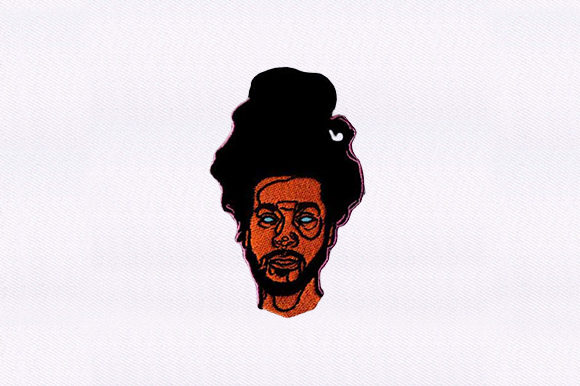
Afro Hair Man Embroidery Design Review: A Bold Statement for Creative Projects
As an embroidery designer with years of experience in crafting custom apparel and decorative items, I always approach a new design like Afro Hair Man with a mix of curiosity and caution. The name alone suggests a strong visual identity, but how it performs in real-world stitching scenarios is what truly matters. Let’s dive into my evaluation of this machine embroidery design based on practical use, aesthetics, and adaptability across various products.
First Impressions and Visual Personality
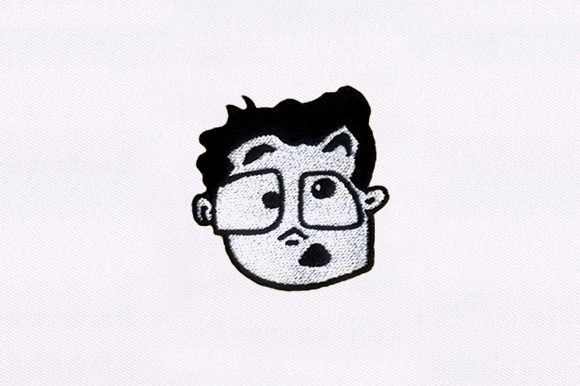
The Afro Hair Man design immediately stands out with its bold and expressive character. It's not just a typical motif; it has a sense of pride and cultural resonance that makes it memorable. The layout is well-balanced, with the central figure featuring a dynamic afro hairstyle that commands attention. The level of detail is impressive—clean lines, smooth curves, and a stylized face that feels both modern and timeless.
This design creates a confident mood, making it ideal for projects where you want to convey individuality or celebrate heritage. It fits naturally into custom apparel, tote bags, and even nursery decor, especially when working with designs that emphasize personality or inclusivity.
Real-Life Use Cases and Project Suitability
When considering where Afro Hair Man might be used, I start by imagining it on different materials and surfaces. For example, if I were creating a personalized sweatshirt for a client who wants to represent their roots, this design would work beautifully. The same goes for tote bag designs where the motif can serve as a focal point, adding character without overwhelming the piece.
I’ve also tested similar designs on baby clothes and found that they can add a fun, artistic touch—though for this specific one, I’d lean more toward older kids or adults due to its expressive style. As an embroidered patch, Afro Hair Man could become a unique accessory, especially for caps or denim jackets. Its structure allows for good stitch definition, which is essential when using patches that need to maintain clarity at smaller sizes.
In commercial embroidery settings, this design could be a standout asset for small shop products or boutique branding. It offers enough visual interest to make your handmade product stand out on shelves or online listings, while still maintaining the kind of quality that appeals to discerning customers.
Stitch Quality and Technical Performance
From a technical standpoint, Afro Hair Man uses a combination of satin stitch and fill stitch to define its shape and details. This gives it a solid appearance and helps preserve the integrity of the design even after multiple washes—a key consideration for apparel decorators and crafters making items like aprons or pillow covers.
However, the design includes some dense stitch areas, particularly around the facial features and edges of the hair. These can be a bit tricky if you're not using the right stabilizer or thread tension. I recommend testing the embroidery file on scrap fabric before moving to the final product to ensure there are no issues with puckering or distortion.
Also, keep in mind that the design may require a larger hoop size than average due to its width and height. If you’re working with limited hoop space, you may need to scale it down carefully to avoid losing important visual elements or compromising stitch quality.
Where to Use with Care
- Small Hoop Sizes: Scaling down too much can cause the finer details to disappear or become misaligned. Test fit before finalizing.
- Textured Fabrics: The design’s fine lines might get lost on fabrics like flannel or corduroy unless you adjust stitch density or choose a contrasting thread color.
- Thin or Stretchy Fabrics: Without proper backing or stabilizer, the design may distort. Always test on the actual material you plan to use.
- Dark Fabric Backgrounds: Thread colors may not pop as well. Consider using lighter-colored threads or metallic accents for better visibility.
- Curved Surfaces (e.g., Caps): While possible, the design should be adjusted for the curvature to prevent stretching or shifting during the sewing process.
- Products That Need Frequent Washing: Dense stitch areas can lead to wear over time. Reinforce these sections or opt for high-quality polyester threads to extend longevity.
Thread Color Contrast and Fabric Choice
One of the first things I check when evaluating an embroidery file is thread color contrast. With Afro Hair Man, the choice of thread colors is crucial. On light-colored fabrics like cotton or linen, the design shines with vibrant hues. But on darker backgrounds, you’ll need to pay extra attention to selecting thread shades that provide enough contrast without looking artificial.
For digital product sellers or Etsy creators offering printable mockups, consider providing a few thread color variations to help buyers visualize the design better. Offering a black-and-white version for previewing can also be helpful, especially for those unsure about color coordination.
Impact on Product Value and Branding
Using Afro Hair Man in your next project can significantly enhance its visual appeal and perceived value. Whether it's a holiday gift or a branded item for your craft business, this design brings a level of professionalism and uniqueness that sets your finished product apart from generic offerings.
Customers tend to respond positively to designs that reflect diversity and personal expression. In today’s market, having inclusive design assets like this can improve buyer engagement and customer trust. It shows that you understand and respect your audience’s needs and identities.
If you're an Etsy seller or running a handmade shop, including this design in your lineup can help attract a wider demographic. Its boldness ensures good recognition, and its cultural relevance adds depth to your brand story.
Design Notes for Maximum Success
- Test First: Always stitch Afro Hair Man on a scrap of your intended fabric before starting the final project. This will let you see how the design interacts with the texture and thickness of the material.
- Review Stitch Density: Pay close attention to the stitch count in detailed areas. Too many stitches can cause puckering, while too few may lose the design’s sharpness.
- Confirm Hoop Size: Make sure your embroidery machine supports the required hoop dimensions. If not, you may need to split the design or resize it cautiously.
- Inspect Small Details: The facial features and hair outlines are delicate. Check them closely after stitching to ensure they remain intact and visually appealing.
- Use Proper Stabilizer: Especially for thin or stretchy materials, using tear-away or cut-away stabilizers can prevent unwanted distortion and enhance stitch clarity.
- Check Licensing Before Selling: If you plan to sell finished products or digital embroidery files, confirm whether the Afro Hair Man design allows for commercial use. Licensing terms can vary, and respecting them is key to long-term success in the craft business.
Final Thoughts on Afro Hair Man
In summary, Afro Hair Man is a versatile and expressive machine embroidery design that can elevate a wide range of handmade products. From custom apparel to embroidered patches and even holiday gifts, it adds a layer of artistry and storytelling to your work.
Its strength lies in its ability to communicate confidence and creativity. When applied correctly—with the right fabric, stabilizer, and thread colors—it becomes more than just an embroidery; it becomes a statement. However, as with any intricate design, care must be taken with scaling, fabric type, and stitch management to achieve the best results.
If you're a hobbyist, creative entrepreneur, or small business owner looking to expand your design portfolio, Afro Hair Man could be a valuable addition. Just remember to test thoroughly and tailor it to your project’s needs. The payoff? A design that stands out, resonates with customers, and enhances the overall presentation of your handmade or commercial embroidery work.