Egyptian Eye Embroidery Design Review for Real Projects
When evaluating an embroidery design for real-world use, especially in a craft business or as part of your handmade product line, it’s essential to look beyond the visual and consider how it performs on different materials, scales, and under various stitching conditions. I recently tested the Egyptian Eye embroidery design for a few upcoming projects—mainly custom sweatshirts and pillow covers—and wanted to share my honest take from the perspective of someone who stitches these designs daily.
First Impressions: Mood and Aesthetic
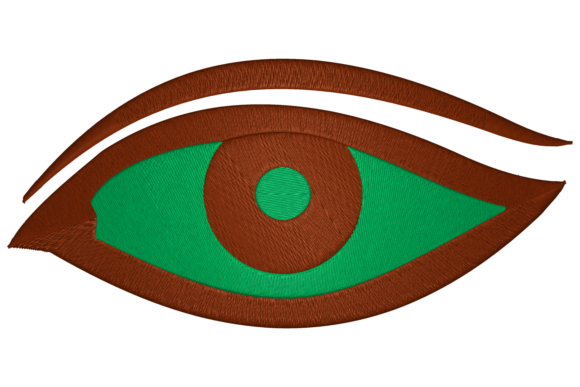
The Egyptian Eye immediately caught my attention with its bold, symbolic shape and clean layout. It’s not a subtle motif; rather, it exudes a sense of ancient mystique and timeless elegance. The two-color scheme adds depth without overwhelming the eye, which is perfect if you’re aiming for a minimalist yet impactful design.
I found the overall composition well-balanced. The symmetry of the eye feels intentional and polished, making it a strong candidate for both personal and commercial embroidery projects. As a designer, I appreciate that it carries cultural weight while remaining versatile enough for modern applications like sweatshirt embroidery, tote bag embellishments, or even nursery decor accents.
Real-World Performance: What Works Well
Let me break down where the Egyptian Eye shines:
- Custom Apparel: This design looks fantastic on medium to large-sized sweatshirts and t-shirts. Its presence is strong but doesn’t feel too heavy when placed properly.
- Pillow Covers: When stitched on cotton or cotton-blend fabrics, the Egyptian Eye adds a touch of sophistication. The two thread colors help it stand out against both light and dark backgrounds.
- Holiday Gifts: For personalized items like embroidered gift bags or tea towels, this design brings a unique, global flair that aligns well with themes like travel, spirituality, or historical appreciation.
- Boutique Branding: If you're running a small shop or are an Etsy seller, this design can serve as a signature element. It works well as an embroidered patch or a repeating motif in a printable mockup for digital product previews.
- Embroidered Patches: The hand-digitized quality ensures sharp edges and clear lines, which is crucial for patches that need to be cut cleanly after stitching.
In terms of stitch types, the design uses a combination of satin stitch for the outer rim and fill stitch for the inner pattern. The stitch density is moderate, which helps prevent puckering on most woven fabrics. That said, always test it on scrap fabric first—especially if you're working with stretchy or textured materials.
Where to Use It Carefully
While the Egyptian Eye is visually striking, there are certain scenarios where it might require more attention to detail:
- Small Hoop Sizes: At smaller sizes, the fine details may become less visible. If you plan to use it on caps or hats, make sure to check the hoop size compatibility before finalizing the placement.
- Stretchy Fabrics: On knits like soft sweatshirts or baby clothes, the design's structure could distort slightly unless proper stabilizer is used underneath.
- Dark Backgrounds: The two thread colors don’t pop as much on black or navy fabrics. Consider using metallic threads or adding a white outline for better visibility.
- Detailed Corners: The intricate corners and curves may need manual adjustment depending on your machine’s capabilities. Always inspect the stitch path closely in your software before sending it to the machine.
- Frequent Washing: While the design holds up well in initial tests, if you're planning to embroider kitchen towels or aprons that will see regular use, ensure the fabric and thread are wash-resistant.
One thing I noticed during testing was that the design doesn’t include any running stitch outlines, so if you want to frame it or add a border manually, you’ll need to digitize that yourself or layer another file over it.
Customer Appeal and Brand Consistency
From a sales standpoint, the Egyptian Eye has good giftability. It appeals to customers looking for meaningful, symbolic, or exotic designs—perfect for personalized gifts or holiday embroidery items. In one test batch for a custom tote bag, the design received several positive comments for its “eye-catching” (pun intended) presence and cultural intrigue.
As an Etsy seller, I’d say this design elevates the perceived value of a product. It adds a professional finish that customers associate with quality and intentionality. Just be sure to pair it with the right background and thread colors to maintain brand consistency across your small shop product line.
Design Notes for Pros and Makers
Here are some practical tips for anyone considering the Egyptian Eye for their next project:
- Test on Scrap Fabric: Before committing to a client order or production run, always test the design on similar fabric. This helps catch issues with thread colors or stitch behavior early.
- Check Thread Contrast: Make sure the two colors work well together on your chosen fabric. Light-colored thread on a white shirt won’t create the same impact as on a darker base.
- Review Stitch Density: Adjust the stabilizer type and tension based on the fabric. A tear-away stabilizer worked best for cotton blends, but for stretchier materials, I recommend using a cutaway.
- Confirm Hoop Size: Since the design comes in six sizes, double-check which ones fit within your hoops. Don’t assume—it’s easy to oversize and end up with distortion.
- Inspect Small Details: Zoom in on the digital file to ensure all elements are crisp and won’t get lost in translation when stitched at smaller scales.
- Use Black-and-White Mockups: Especially useful for online listings. This lets potential buyers see the design clearly, regardless of lighting or screen settings.
- Compare Light and Dark Fabrics: Take photos of the stitched design on both color palettes to show versatility in your digital product preview images.
- License Check: If you’re planning to sell finished products or digital embroidery files, confirm the licensing terms. Some designs restrict commercial use, and you don’t want to risk infringement later.
Final Thoughts on Project Fit
The Egyptian Eye isn’t a one-size-fits-all design, but it does offer a lot of flexibility. It works best on flat surfaces with smooth textures—think tote bag design, pillow covers, or decorative sweaters. It’s also suitable for embroidered applique treatments, provided you adjust the backing and cutting methods accordingly.
If you're into around the world themed collections or want to give your handmade product line a dash of global culture, this design is a solid choice. Just keep in mind that its personality is bold and symbolic, so it may not suit every customer’s taste or every project’s purpose.
Overall, I’m confident the Egyptian Eye will enhance your embroidery project when used thoughtfully. It adds a level of craftsmanship and visual interest that can elevate your finished product and strengthen your position as a serious embroidery designer or craft business owner.