Hospital Nurse Lineart Design Review for Real Projects
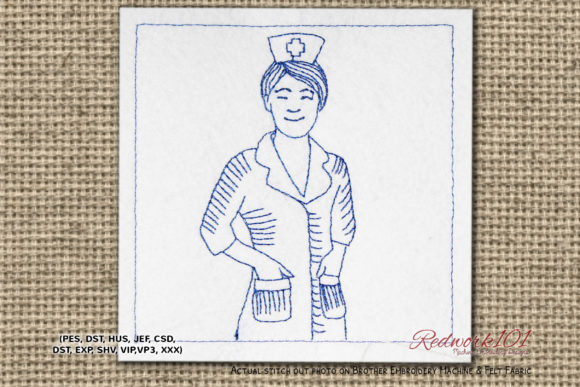
When I first laid eyes on the Hospital Nurse Lineart Design, it struck me as a clean and professional choice. The design carries a sense of calm authority, which is exactly what you want when creating something that represents care or service. It’s not overly detailed, but it has enough character to stand out without being overwhelming. As an embroidery designer with years of experience, I immediately started thinking about how this would translate onto different materials—especially in real-life applications like tote bags, sweatshirts, and custom apparel.
A Natural Fit for Custom Apparel and Handmade Products
The Hospital Nurse Lineart Design feels at home on soft, breathable fabrics such as cotton blends or stretchy knits typically used in sweatshirts and t-shirts. Its lineart style makes it versatile for both subtle and bold looks depending on how you choose to stitch it. If you're planning to use it for sweatshirt embroidery, the design’s shape and symmetry help it align well with standard garment placements, especially around the chest area where logos and icons are most visible.
I can see this design working beautifully as part of a personalized gift collection, particularly for healthcare workers. A custom tote bag embroidered with this image could serve as a thoughtful thank-you from a client or a boutique product in your shop. The simplicity of the lines ensures it won’t get lost in the fabric grain or stitching process, making it a reliable option for handmade products that need to look polished after multiple washes.
Visual Personality and Layout
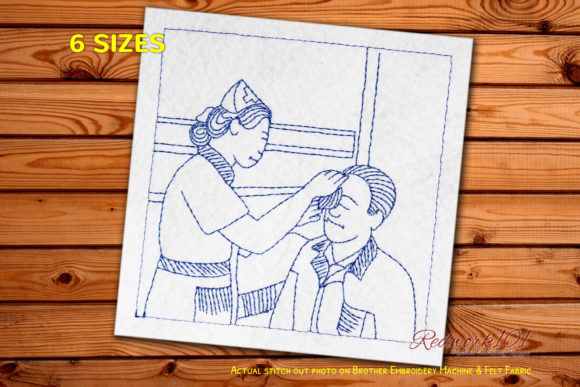
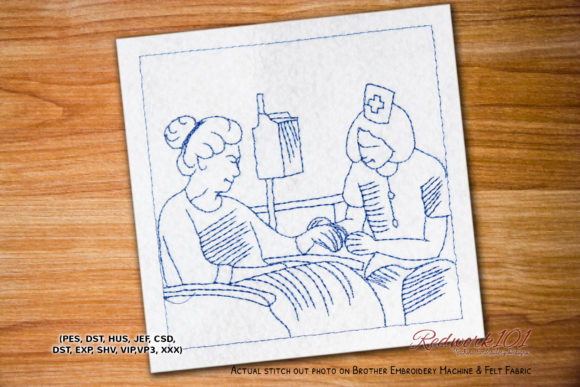
This design doesn't shout; it speaks softly. The nurse figure is stylized yet recognizable, which is crucial if your goal is to create a piece that resonates emotionally or communicates professionalism. The layout is balanced, avoiding clutter while still capturing the essence of the subject. The optional box stitch adds structure, but I’d suggest using it only if the background fabric supports it—otherwise, it might detract from the minimalist appeal.
The detail level is just right for most projects. There are no tiny lettering elements that could break during transfer, and the overall shape is easy to hoop and stabilize. This kind of clarity is important when you're working on embroidery files meant for a wide range of customers who may not have advanced equipment or expertise.
Performance in Real Embroidery Projects
Let’s imagine we’re preparing a custom tote bag design for a local hospital appreciation event. The Hospital Nurse Lineart Design would sit nicely in the center of the bag, surrounded by some text or maybe a floral border. Because of its low stitch density and simple forms, it stitches cleanly even on medium-weight cotton canvas, which is ideal for totes. It also holds up well when heat pressed or sewn into seams, so it's suitable for embroidered patch applications too.
For baby clothes or nursery decor, this design works best when softened with pastel thread colors or paired with other gentle imagery. While it’s not inherently childlike, it can be adapted to fit a more nurturing theme—just make sure to adjust stitch spacing and use a stabilizer suited for delicate textiles.
If you're an Etsy seller or run a small craft business, this design brings instant recognition value. It’s a symbol many people connect with, especially during holidays or health-related events. Think about adding it to holiday gifts, such as embroidered tea towels or pillow covers. The lineart gives it a modern touch that appeals to buyers looking for contemporary handmade items.
Projects That Need Careful Consideration
- Small Hoop Sizes: Avoid using this design in very tight hoop areas. The nurse figure needs room to breathe, otherwise the lines become compressed and lose their charm.
- Textured or Stretchy Fabrics: Stitch tension can vary greatly on these surfaces. Always test the design on a scrap swatch before committing to a finished product.
- Dark Fabric Backgrounds: The design relies heavily on contrast. If you plan to use it on black or dark-colored garments, ensure the thread color is bright enough to stand out.
- Layered Garments or Curved Surfaces: Placing this design on a cap or inside a layered jacket might distort the lines due to the curvature or shifting fabric layers. Plan accordingly.
While the Hospital Nurse Lineart Design is great for most craft business items, it’s not always perfect for every project. For instance, dense stitch areas should be avoided unless you're using a fill stitch sparingly. Also, decorative accents like sequins or beads might clash with the clean line aesthetic. Stick to satin or running stitches for the best effect.
Influence on Product Value and Customer Trust
Using this design elevates the visual appeal of any product it's applied to. Whether it's a custom apparel item or a personalized baby blanket, the Hospital Nurse Lineart Design adds a layer of sophistication and purpose. It conveys trustworthiness and attention to detail, two qualities that customers notice—and appreciate.
As someone who reviews designs for real-world application, I’ve found that lineart styles often perform better than highly detailed ones in terms of stitching clarity. The lack of complex shading means there’s less chance of stitch distortion or color mismatch. This makes it a strong candidate for commercial embroidery and digital embroidery file sales alike.
Design Notes for Practical Use
- Test on Scrap Fabric: Before stitching on a final product, always try the design on a similar material to assess how it lays and stitches.
- Check Thread Color Contrast: If you’re using a white or light fabric, darker threads will work best. For dark backgrounds, consider using white or metallic threads to maintain visibility.
- Review Stitch Density: Lower density settings help prevent puckering, especially on thin or stretchy materials.
- Confirm Hoop Size: Larger hoop sizes give the design more room to show off its full form and reduce strain on the fabric.
- Inspect Small Details: Though this design is generally clean, always zoom in to check for any hidden complexities or corners that might need extra stabilization.
- Use Proper Stabilizer: Depending on the fabric, you may need tear-away, cut-away, or wash-away stabilizers to keep the lines crisp and even.
- Test Black-and-White Mockups: This helps determine if the design’s contrast is sufficient for the intended fabric and thread combinations.
- Compare Light and Dark Fabrics: See how the design adapts visually to different backdrops—this is key for printable mockups and online previews.
- Confirm Licensing Before Selling: Make sure you understand the licensing terms if you plan to sell design assets or finished items featuring this design.
Why This Design Works Well in Commercial and Personal Projects
The Hospital Nurse Lineart Design is one of those rare finds that transitions smoothly between personal and commercial embroidery uses. It fits naturally into branding efforts for businesses related to healthcare, wellness, or community service. At the same time, it’s adaptable enough for hobbyists to personalize for friends or family—think of a cozy sweatshirt or a handmade apron with a heartfelt message nearby.
Its minimalism also plays well in small shop product lines. You don’t need high-end machines or special techniques to achieve a quality result. This accessibility is a big plus for makers who want to scale production without compromising on quality. Plus, since the outer box color is separate in most versions, it opens the door for creative variations—maybe a red box for Valentine’s Day or a green box for Earth Day.
However, if you're aiming for ultra-modern or avant-garde aesthetics, this design might feel a bit too classic. But for most craft fair products, holiday gifts, or boutique branding, it hits all the right notes.
Final Thoughts from the Field
After evaluating the Hospital Nurse Lineart Design across several potential embroidery projects, I’m confident it’s a solid addition to your design library. It offers flexibility, reliability, and emotional resonance—three traits that are hard to find in one package. Just remember to take the time to test it on actual materials, confirm hoop size and stabilizer requirements, and always review licensing if you plan to sell the finished product.
Whether you're an embroidery designer building a new collection or a creative entrepreneur launching your first digital embroidery file, this design brings value without overpromising. And in my world, that’s the mark of a truly useful and trustworthy asset.