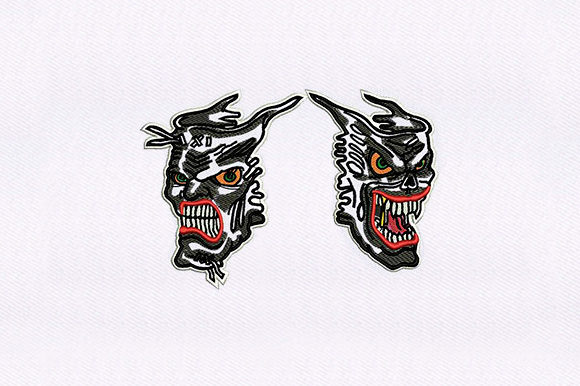
Reviewing the Masks Embroidery Design for Craft Fair Success
First Impressions: A Festive and Detailed Machine Embroidery Design
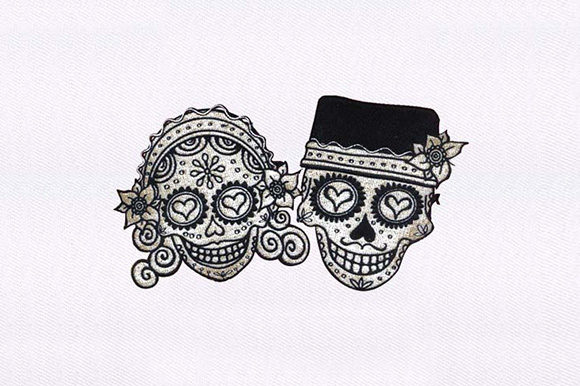
When I first read the product title and description for Masks, my instinct as an embroidery designer told me this design has potential. The phrase “high-quality embroidery” immediately caught my attention, especially when paired with a focus on character and detail. While the full scope of the design isn’t clear from the text alone, it’s evident that this is a machine embroidery design crafted to stand out. From the vibe of the title and description, Masks seems to lean into a festive or thematic aesthetic—perhaps something seasonal like Halloween? That said, its detailed nature makes it versatile enough to be used year-round if themed appropriately. It doesn’t scream minimal or rustic, but rather suggests a level of intricacy that could work well in both premium handmade products and small shop items.How Masks Performs on Popular Craft Fair Products
I always think about where a design will look best and how it translates across different items. Let’s break down how Masks might perform on various products you’d typically see at a craft fair:- Tote Bag Design: Masks would make a strong statement on a tote bag. Its detailed nature means it could serve as the main focal point, especially on a neutral-colored canvas tote. For darker fabrics, thread contrast becomes key—white or metallic threads could really pop.
- Apron Embroidery: If the design includes subtle shading or dimension, it could add personality to aprons. Place it near the pocket area for maximum visibility. Just be mindful of stitch density so the design doesn’t stiffen the fabric too much.
- Tea Towel Embroidery: A smaller version of Masks would work well here. Textured towels may require extra stabilizer, and the design should be simplified slightly for better clarity at a reduced scale.
- Embroidered Patch: This is a great opportunity to showcase the design. A patch with Masks stitched in contrasting colors can become a fast-moving item, especially if offered in multiple sizes for DIYers and sewists alike.
- Caps & Hats: Curved surfaces can be tricky. If Masks is symmetrical or centered, it could work beautifully on a baseball cap or wide-brim hat. But keep the hoop size and placement tight to avoid distortion.
- Fabric Pouches & Market Bags: These are ideal for showcasing intricate embroidery. Masks could be placed asymmetrically for visual interest, especially on thicker cotton or linen blends.
- Pillow Covers: The design would look elegant as a central feature on a decorative pillow cover. Pair it with muted tones to let the stitching do the talking, or go bold with a bright background for more impact.
- Handmade Gifts: Whether it’s embroidered coasters, napkins, or even Halloween-themed gift tags, Masks adds a touch of artistry. As long as the details aren’t lost due to scale, it can enhance the perceived value of your handmade gifts.
- Booth Samples: Choose a sample that highlights the depth and color variation of the design. A tote bag or apron with a larger application of Masks is perfect for drawing customer attention and showcasing quality craftsmanship.
- Printable Mockups: Use high-res images of the finished product to create mockups for online Etsy listings or booth signage. The design should clearly reflect its complexity and charm without being cluttered.
- Commercial Embroidery: If you're scaling up production, ensure that the design is repeatable and fits within your standard hoop sizes. Test it on multiple fabric types to confirm consistency.
Practical Selling and Production Considerations
As a professional who regularly prepares for weekend craft fairs, I know that practicality is just as important as aesthetics. Here are some real-world notes on using Masks effectively:Glance Appeal: One of the biggest selling points of any craft fair product is how quickly it grabs attention. Masks seems like it would do that—especially if it’s stylized with exaggerated features or vibrant thread colors. It’s the kind of design that stands out even from a distance.
Design Versatility: This design appears to be adaptable. You can use it as a large, bold focal point or scale it down for subtle accents. Both approaches have their place in a booth. Large designs attract browsers, while smaller ones allow customers to imagine using them creatively in their own sewing projects.
Photography Potential: For Etsy sellers and digital embroidery file creators, the ability to photograph the design well is crucial. Masks’ detailed nature should translate beautifully into high-quality photos. Just make sure to use good lighting and flat lays to highlight the texture and color of the embroidery.
Batch Production Readiness: Since this is a machine embroidery design, it’s a solid candidate for batch production. However, check the stitch count and spacing before mass-producing. High-density areas may require additional time or special settings on your machine. Also, consider whether the design needs backing or tear-away stabilizer depending on the fabric type.
Important Careful-Use Notes
Before jumping into production, there are a few things to watch for with Masks:- Dense Stitch Areas: Intricate designs often have dense stitching. Make sure your machine can handle the weight, and test on scrap fabric to prevent puckering or distortion.
- Tiny Details: If the design contains fine lines or small lettering, those may not show up well on certain fabrics. Always preview the design at the intended scale and fabric type.
- Thick or Textured Fabrics: Textured materials like canvas or linen can challenge the precision of embroidery. Test the design on these fabrics to ensure it doesn’t lose definition or get buried by the weave.
- Dark Fabric Contrast: Dark backgrounds can mute the visual impact of embroidery. Consider using white, gold, or light-colored threads to maintain vibrancy and legibility.
- Curved Surfaces: When placing Masks on curved items like caps or round pouches, double-check the alignment and adjust the design if necessary to fit the shape cleanly.
- Small Size Clarity: If you plan to offer a mini version for patches or small items, be aware that tiny details may become less visible. Simplify the design or increase the thread contrast to compensate.
Boosting Visual Appeal and Customer Engagement
A design like Masks can significantly influence how customers perceive your brand and products. Its detailed nature elevates the handmade quality of your offerings, which is essential for standing out in competitive markets like craft fairs and Etsy shops. When displayed alongside other design assets, such as coordinating patterns or complementary motifs, Masks can help build a cohesive booth display. Think of it as a signature piece that draws people in and encourages engagement. Customers love seeing unique, expressive embroidery, and this design offers just that.Designer Tips for Using Masks Effectively
- Test on Scrap Fabric: Before investing in materials, run the design on a variety of scraps to see how it reacts to different textures and weights.
- Check Thread Colors: Ensure the thread palette works with your chosen fabric colors. Sometimes a design looks great in one context but clashes elsewhere.
- Review Spacing: Look at how the design interacts with the surrounding space. Does it need borders or framing to feel complete? Or is it meant to blend seamlessly into the product?
- Confirm Hoop Size: If the hoop size isn’t listed, don’t assume. Work with your machine manual and software to determine the best hoop for the design layout.
- Inspect Stitch Density: Dense areas can affect comfort and durability. Especially on wearable items like tote bags or aprons, balance beauty with functionality.
- Use the Right Stabilizer: Depending on your fabric, you may need cut-away or tear-away stabilizers. This is critical for maintaining the integrity of the design during and after stitching.
- Create a Real Mockup: A physical sample is invaluable. It allows you to see how the design behaves in real conditions and gives you confidence when creating printable mockups for marketing.
- Compare Fabric Colors: Try the design on several fabric shades to find the optimal background. Some colors will make the embroidery glow, others will bury it.
- Confirm Commercial Licensing: If you’re planning to sell finished products made with this digital embroidery file, verify the licensing terms. Some files come with restrictions that must be respected to avoid legal issues.