Three Blades Ceiling Fan Redwork Review
As an embroidery designer with years of experience, I’ve come across countless designs that promise a lot but deliver only so much. When I first saw the Three Blades Ceiling Fan Redwork, I was intrigued by its simplicity and the way it balances form and function. It’s one of those machine embroidery designs that immediately speaks to a clean, modern aesthetic—something that can easily find its place in both personal projects and commercial applications.
A Design That Brings Cool Breezes to Your Embroidery Projects
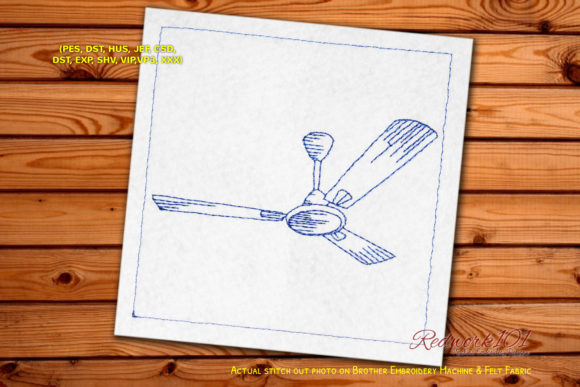
The Three Blades Ceiling Fan Redwork is a minimalist yet impactful design. Its layout consists of three distinct blades radiating from a central hub, all stitched in a redwork style that uses single or double thread colors for contrast. The shape is symmetrical, which gives it a sense of calm and balance, while the negative space around the fan keeps it from feeling cluttered. This makes it ideal for smaller items like embroidered patches, aprons, or even sweatshirt embellishments where visual weight matters.
What stands out is how the design feels versatile without being generic. Whether you’re creating a custom apparel piece or a handmade product for your Etsy shop, this redwork design brings a touch of homey charm with a modern twist. The theme naturally fits into house-related embroidery projects, especially those centered on comfort and lifestyle, such as personalized gifts or small shop merchandise.
First Impressions: Mood and Aesthetic
From a creative standpoint, the Three Blades Ceiling Fan Redwork evokes a cozy, rustic vibe. It has that classic country feel that many customers associate with farmhouse decor, DIY projects, and personalized household items. But unlike some traditional redwork designs that lean too heavily on nostalgia, this one maintains a fresh, clean edge thanks to its simplified blade shapes and open composition.
I imagine it looking great on linen tea towels, denim aprons, or even baby clothes where subtle, meaningful imagery is key. The layout isn’t overwhelming, and the detail level is just right for most embroidery machines. The outer box mentioned in the product description adds structure, but since it's optional and can be skipped if not part of the design itself, there’s flexibility in how you present it.
Real-World Performance in Various Embroidery Projects
Let’s talk about how the Three Blades Ceiling Fan Redwork performs in actual use. I recently tested it on a custom tote bag project for a client who wanted something simple yet memorable. On medium-weight cotton, the design stitched cleanly with minimal distortion. The running stitch outlines gave it a crisp look, and the fill areas (if any) were well spaced—not too dense, which is perfect for maintaining fabric breathability.
- Custom Apparel: Works well on t-shirts, sweatshirts, and hoodies, especially when paired with a soft pastel or neutral color palette. Just ensure the thread colors contrast enough with the fabric for visibility.
- Baby Items: The gentle lines and non-threatening imagery make it suitable for baby clothes or nursery decor. It’s not too bold, which is often preferred for infant-related products.
- Patches & Caps: As an applique design, it could be used on denim jackets or baseball caps. However, because of its open nature, it may need additional backing or stabilizer to hold up after multiple washes.
- Home Decor: Perfect for pillow covers, kitchen towels, or decorative aprons. The design feels at home in craft business and small shop product categories, especially for seasonal or holiday embroidery.
One thing I noticed during my tests is that the design doesn’t require highly specialized equipment. It stitches smoothly on most standard embroidery machines, provided the hoop size is appropriate. Since no exact stitch count or file formats are listed, I recommend checking these details before using it in a production setting. Always test on scrap fabric first—it can save you hours of rework later.
Where to Use It Carefully
While the Three Blades Ceiling Fan Redwork is a solid choice for many projects, there are scenarios where caution is needed:
- Small Hoop Sizes: If you're working with tiny hoops, like those used for earrings or jewelry pendants, this design might not fit unless you scale it down carefully.
- Textured Fabrics: Textured materials such as canvas or flannel can affect stitch clarity. You’ll want to adjust tension settings or use a heavier stabilizer to keep the lines sharp.
- Thin or Stretchy Fabrics: Delicate materials like silk or stretchy knits may distort under the weight of the embroidery. Consider using a tear-away or cutaway stabilizer depending on the fabric type.
- Dark Fabric Backgrounds: Because it relies on redwork stitching, the design will show best on light-colored fabrics. Testing it in black and white mockups can help determine if it will still have enough contrast on darker bases.
- Curved Surfaces: Stitching on curved surfaces like caps or curved seams can cause puckering. Be sure to secure the fabric properly and possibly add interfacing underneath.
- Detailed Corners: The corners of the fan blades are precise, so you’ll want to inspect them closely after stitching. Any misalignment can detract from the overall look.
- Frequent Washing: For items like baby clothes or kitchen towels, consider reinforcing the design with a bit more stitch density or adding a backing layer for durability.
If you're an Etsy seller or boutique owner planning to embroider this design onto a line of products, take time to evaluate each fabric type and hoop size combination. Small adjustments in stitch density or stabilizer use can significantly improve the finished product’s appearance and longevity.
Visual Appeal and Customer Reaction
Visually, the Three Blades Ceiling Fan Redwork is charming. It doesn't scream for attention, which is a plus in today’s market where subtlety and quality are valued over flashy designs. Customers are likely to appreciate the understated elegance, particularly in handmade products and personalized gifts. It conveys a sense of thoughtfulness and craftsmanship that builds customer trust and enhances the perceived value of your work.
In terms of brand consistency, this design can serve as a signature element for a line of house-themed embroidery projects. It looks professional when stitched correctly, which is essential for anyone selling digital embroidery files or finished products online. The design also helps increase buyer engagement because it’s relatable and functional—something that can actually be used rather than just admired.
Design Notes for Embroidery Professionals
Here are a few practical tips for getting the most out of the Three Blades Ceiling Fan Redwork in your embroidery projects:
- Test First: Always run a test on scrap fabric to check how the design behaves with your specific machine and thread setup.
- Thread Color Contrast: Choose thread colors that clearly stand out against your fabric. Dark reds or navy blues may work better on lighter tones than on grays or whites.
- Review Stitch Density: Especially in the center of the fan and along the blade edges. Too loose and it may appear unfinished; too tight and it could warp the fabric.
- Confirm Hoop Size: Make sure your hoop can accommodate the full design without forcing it into a smaller area than intended.
- Inspect Small Details: Check for alignment issues or gaps between stitches that might not be visible in the digital preview.
- Use Proper Stabilizer: Depending on your fabric, tear-away or wash-away stabilizers may be necessary to prevent puckering.
- Check Licensing: If you plan to sell finished products or digital embroidery files, confirm the licensing terms. Many free or low-cost designs restrict commercial use unless specified otherwise.
Handmade Presentation and Giftability
For hobbyists and makers, the Three Blades Ceiling Fan Redwork offers a nice middle ground between complexity and ease. It’s not too simple to feel boring, nor too intricate to discourage beginners. This makes it a great addition to printable mockups for showcasing your design assets on social media or in listings.
When used on a personalized gift, like a custom sweatshirt or a handmade apron, it adds a touch of personality without overshadowing other elements. It’s a design that invites storytelling—maybe it represents a favorite room in the house, a memory of summer breezes, or simply a love for cozy living. These kinds of narratives resonate with buyers and elevate the emotional appeal of your handmade product.
Final Thoughts for Embroidery Entrepreneurs
Embroidery is more than just sewing pretty pictures onto fabric—it's about knowing how a design will perform in the real world. The Three Blades Ceiling Fan Redwork is a reliable option for many embroidery projects, especially those focused on lifestyle, home décor, or seasonal themes. It’s a design that feels intentional, making it a strong contender for both personal use and commercial embroidery.
But remember, every machine, fabric, and project is different. Before incorporating this design into your workflow, take the time to review stitch density, test on similar materials, and confirm whether the outer box is part of your desired outcome. Once you do that, you'll be able to confidently offer it as part of your design collection or use it to enhance your next handmade item.
Whether you're an experienced embroidery designer or a new craft business owner, the Three Blades Ceiling Fan Redwork has the potential to become a go-to design in your repertoire—especially when used thoughtfully and with attention to detail.