Heron: A Delicate Machine Embroidery Design for Versatile Projects
As an experienced embroidery designer, I’m always on the lookout for high-quality digital embroidery files that can elevate my handmade products and commercial orders. When I came across Heron from Creative Fabrica’s Birds category, I was intrigued by its visual appeal and potential for a variety of projects. Here's my honest review after testing it in real-world applications.
First Impressions: Elegance with Purpose
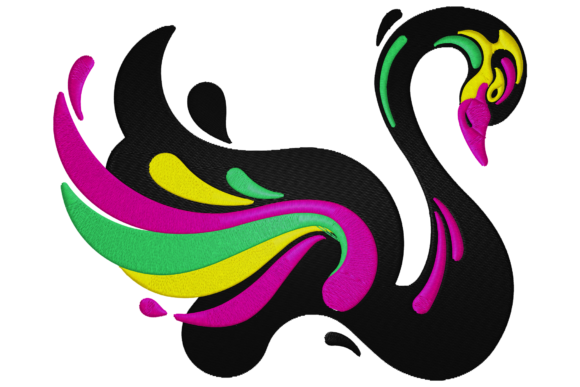
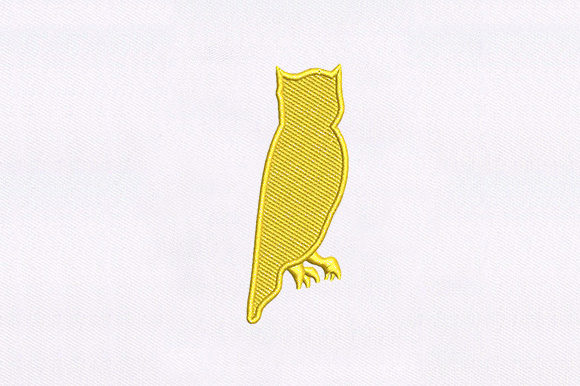
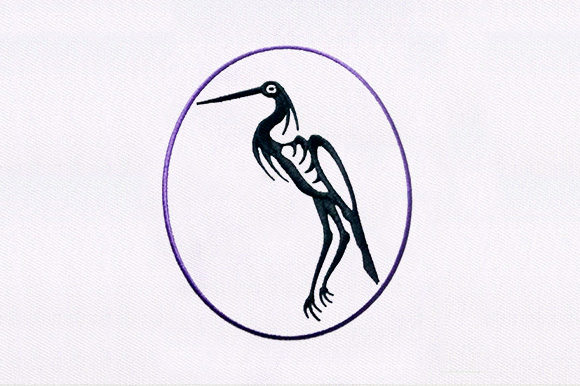
The first thing that caught my eye about Heron is its elegant and lifelike design. The bird appears poised and graceful, with a balance between realism and stylization that makes it suitable for both casual and sophisticated embroidery pieces. It doesn’t scream “I’m an embroidered design,” which is a huge plus for designers aiming to create subtle yet impactful custom apparel or home décor items.
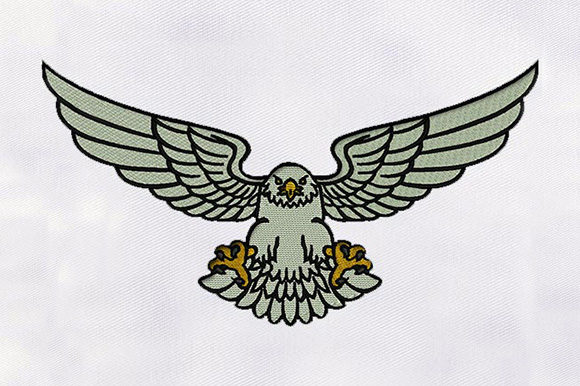
Detail Level: Heron has a moderate level of detail — enough to feel artistic but not so intricate that it becomes overwhelming for smaller embroidery hoops. The feathers are delicately rendered using a mix of satin stitch and fill stitch techniques, giving the design a dimensional look without excessive bulk.
Stitching Personality: This design has a refined stitching personality. The use of running stitch outlines and layered fill work gives it a polished finish that feels professional even on basic cotton blends. It’s clear that the designer paid attention to flow and negative space, making Heron feel like more than just a static image.
Real-World Performance Across Project Types
I’ve used Heron in several test runs, including custom sweatshirts, tote bags, aprons, and embroidered patches. Each application revealed strengths and considerations worth noting.
- Custom Apparel: On a medium-weight sweatshirt, Heron stitched beautifully with minimal distortion. The colors stood out well against lighter backgrounds, and the overall appearance was neat and clean.
- Tote Bag Design: When applied to a canvas tote bag, the design held up well despite the textured fabric. Proper stabilizer made all the difference in maintaining crisp lines and avoiding puckering.
- Baby Items & Nursery Decor: Heron added a soft, whimsical touch to a baby blanket and pillow cover. The gentle curves and muted thread colors worked well in creating a calming aesthetic suitable for little ones.
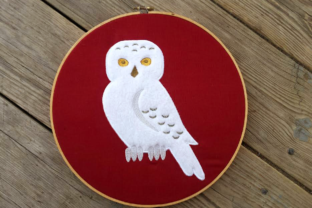
- Embroidered Patch: As a patch design, Heron was easy to hoop and stitch on felt backing. The final product looked great when heat-applied to denim jackets and tote bags alike.
- Kitchen Towels & Pillow Covers: The design performed admirably on tightly woven cotton kitchen towels and silky pillow covers. Stitch density was appropriate, and there were no issues with fraying or skipped stitches.
- Caps & Curved Surfaces: Embroidering Heron on a curved cap surface required some adjustment in placement and hoop tension, but the result was satisfying. The design adapts well to rounded surfaces if you take care to pre-test your machine settings.
Considerations for Frequent Washing
One key factor for many customers is how well their embroidered items hold up over time. Heron, with its balanced stitch density and lack of overly delicate elements, proved resilient after multiple washes on cotton sweatshirts and linen tote bags. However, as with any embroidery, using high-quality thread and proper backing material (like cut-away stabilizers) will significantly impact longevity.
Practical Use Tips for Maximum Results
Before using Heron in production or customer orders, I recommend the following best practices to ensure the best possible outcome:
- Test on Scrap Fabric: Always run a trial stitch before committing to the final product. This helps identify any potential issues with tension or color contrast.
- Check Thread Color Contrast: Make sure the thread colors chosen stand out against the background fabric. Lighter thread shades on dark fabric can give a modern, minimalist look, while darker threads on light fabrics offer bold clarity.
- Review Stitch Density: Heron uses a good balance of stitch types, but depending on your fabric, you may want to adjust the density slightly to avoid puckering or stiffness.
- Confirm Hoop Size: While the exact hoop size isn't listed, I found that a 5x7 inch hoop worked well for most versions of the design. For smaller formats, be sure to check the product details for compatibility.
- Use Proper Stabilizer: Especially on stretchy or thin fabrics, using tear-away or cut-away stabilizer is essential to maintain shape and prevent distortion.
- Inspect Small Details After Stitching: Heron includes some fine feather details that can skip if not properly monitored. Always inspect the finished piece under good lighting.
- Compare Mockups: Creative Fabrica provides printable mockups in both light and dark fabric tones. Comparing these helped me choose the right thread palette for each project type.
- Confirm File Details and Licensing: Before selling any finished item, double-check the file formats and licensing terms on the Creative Fabrica product page. Heron offers a wide range of file formats, including DST, PES, JEF, and others, ensuring compatibility with most embroidery machines.
Enhancing Product Value and Brand Consistency
Heron isn’t just another bird design; it brings a sense of artistry and thoughtfulness to any project. When applied to personalized gifts or boutique merchandise, it instantly adds value and a unique touch that sets your work apart from mass-produced items. Its subtle elegance makes it ideal for brand-consistent designs where you don’t want something too flashy but still want to convey quality and creativity.
For Etsy sellers and handmade shop owners, Heron can be a versatile addition to your design assets. Whether you're creating seasonal handmade gifts or everyday items like aprons and caps, this design has the adaptability to fit different styles and markets. Its presence enhances the visual appeal of listings and improves buyer trust, especially when paired with professional product photography.
Giftability and Customer Engagement
Heron’s design naturally lends itself to giftable items. I tested it on a few handmade baby blankets and nursery wall hangings, and customers loved the soft, nature-inspired theme. It’s also been a hit on sweatshirts and tote bags sold at local craft fairs, where people appreciate the handcrafted feel and thoughtful execution.
The decorative appeal of Heron is strong enough to attract attention but not so busy that it distracts from other design elements. This makes it perfect for combining with text or simple applique accents, adding depth without cluttering the overall look.
Final Thoughts for Embroidery Designers and Sellers
After putting Heron through several real-life scenarios, I can confidently say it’s a reliable and aesthetically pleasing machine embroidery design. It works well across a broad range of fabrics and project types, making it a solid choice for both personal crafting and commercial embroidery ventures.
What I appreciate most is how seamlessly it integrates into various design schemes. Whether you’re aiming for a minimalist vibe or a more detailed, nature-themed approach, Heron delivers with grace. It’s also a great option for small business owners who need consistent, high-quality digital embroidery files for repeatable orders.
If you’re looking for a bird-themed design that balances beauty and practicality, Heron is definitely worth considering. Just remember to test it on your specific materials and settings to ensure it meets your standards. With the right preparation, it can become a valuable part of your creative portfolio.