Yellow Owl Embroidery Design Review for Craft Fairs
First Impressions: A Timeless Bird with a Modern Twist
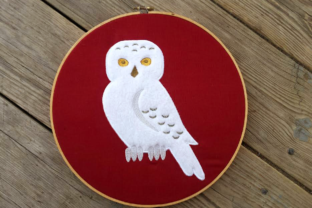
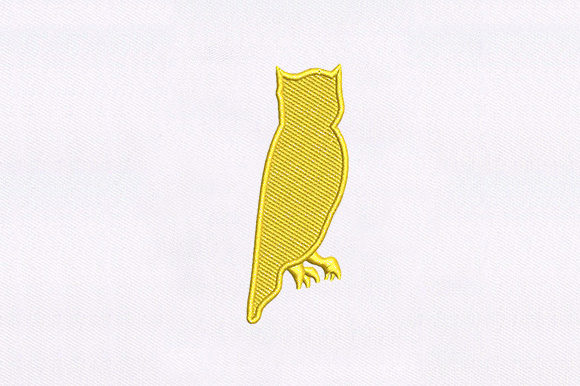
The Yellow Owl machine embroidery design immediately catches the eye with its bold yet balanced composition. As an experienced embroidery designer, I appreciate how it strikes a perfect chord between whimsical and elegant—ideal for attracting attention at a craft fair booth or in an Etsy listing. The title suggests a cheerful and positive vibe, while the description hints at versatility across multiple file formats, which is always a plus for digital sellers.Product Compatibility: Where Yellow Owl Shines
When evaluating how well Yellow Owl works across different items, a few stand out as prime candidates:- Tote Bags: The owl's size and shape work beautifully on large tote bags. Positioned centrally, it becomes a statement piece without overwhelming the fabric. Its bright color stands out especially well against light-colored linen or cotton.
- Aprons: On a vintage-style apron, Yellow Owl can be placed near the pocket area, adding a playful touch while still being practical. The stitch density is manageable enough not to interfere with mobility or weight.
- Tea Towels: This design brings a decorative flair to kitchen textiles. The placement of the owl near the corner or center gives the towel visual interest and makes it ideal for customers who love farmhouse or cottagecore aesthetics.
- Embroidered Patches: As a patch, Yellow Owl could be used on denim jackets, backpacks, or even as part of a layered embroidery project. The clean lines and minimal shading make it easy to stitch by hand if needed.
- Fabric Pouches & Pillow Covers: These smaller items benefit from the owl’s compact form. Placed on the front, it serves as an instant conversation starter and can elevate a simple pouch into a premium-looking accessory.
- Caps & Hats: For curved surfaces like baseball caps, the design needs careful placement. The symmetry of the owl helps it sit nicely, but I’d recommend testing it on a sample cap first due to the curvature affecting stitch alignment.
Design Performance on Different Surfaces
One of the key things to consider when preparing for a weekend craft fair is how your designs look and perform on various materials. Here’s how Yellow Owl holds up:On Thick Fabrics: The owl handles well on heavier materials like canvas or twill, though I’d suggest using a tear-away stabilizer underneath to maintain crisp edges and prevent puckering.
On Textured Towels: If you're planning to do tea towel embroidery, keep in mind that textured fabrics may cause some distortion in the finer details. You might need to adjust hoop tension or use a washable stabilizer for best results.
On Dark Fabric: While the owl looks striking on white or pastel backgrounds, it may lose contrast on darker shades. Consider using a thread color that pops against black or navy, such as cream or light yellow, to ensure visibility.
Small vs. Large Scale: Yellow Owl works equally well as a small accent (like on a pouch) or as a large focal point (such as on a market bag). However, when scaling down, some tiny details may become less defined. Always test the design at the smallest intended size before mass production.
Photography and Online Appeal
As an Etsy seller or handmade market vendor, presentation is everything. Yellow Owl photographs exceptionally well, especially when stitched on high-quality natural fibers. The clean lines and lack of excessive shading help it stand out in flat lays and lifestyle shots. For online listings, I recommend creating a printable mockup so potential buyers can visualize the design on different products. This increases perceived value and reduces hesitation during purchase decisions.Practical Production Tips for Batch Use
Before turning this machine embroidery design into multiple craft fair products, here are some tips to keep in mind:- Test on Scrap Fabric: Try stitching Yellow Owl on a few different fabric types and colors to see how it reacts under various conditions.
- Check Thread Contrast: Make sure the chosen thread colors pop against your base fabric. This will enhance the overall visual appeal and customer engagement.
- Review Spacing: Look at the surrounding space in the embroidery file. Does it allow for seam allowances or other embellishments? Good spacing is crucial for commercial use.
- Confirm Hoop Size: Though specific hoop size isn’t listed, most multi-format files suggest compatibility with common hoops. Still, it's wise to verify this based on your equipment.
- Inspect Stitch Density: Some areas may require more attention to avoid overstuffing the fabric, particularly if you’re working with delicate or stretchy materials.
- Use the Right Stabilizer: Depending on the fabric, a cutaway or tear-away stabilizer may be necessary to maintain quality and prevent distortion.
- Create a Real Mockup: Before going all-in, produce one sample item—like a tote bag or pillow cover—to assess how the design interacts with texture, lighting, and real-world wear.
- Compare Fabric Colors: Test the design on a few background colors to find what looks best. Sometimes a design reads differently depending on the fabric shade.
- Confirm Commercial Licensing: Since this is a commercial embroidery product, always double-check the licensing terms before selling finished goods. Many digital sellers overlook this step, risking legal issues later.