Rabbit Machine Embroidery Design Review for Craft Fairs
First Impressions: A Cute and Versatile Woodland Embroidery File
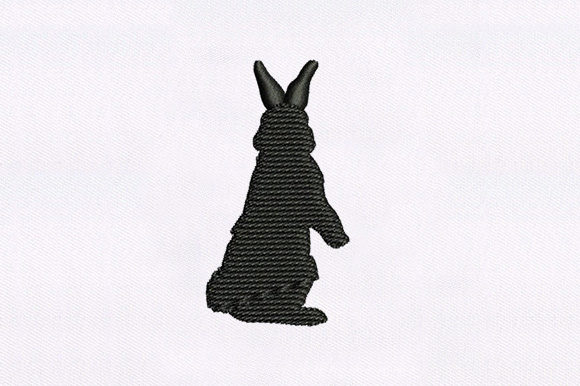
The Rabbit Machine machine embroidery design is an instant crowd-pleaser. Based on its title and description, it evokes a sense of whimsy and charm that aligns perfectly with the Woodland Animals category. This design feels both modern and rustic, offering a fresh take on a classic motif. The cute yet clean aesthetic makes it ideal for craft fair products where visual appeal and quick recognition are key.Performance on Popular Craft Fair Products
Tote bags: One of the most versatile canvas for any embroidery design, tote bags are a staple in any craft fair booth. Rabbit Machine would work beautifully as a front-facing design, especially when using bright thread colors on light fabrics. Its 2.5×2.5 hoop size fits well within the center of a standard 14×10 bag without appearing cramped.
Aprons: For apron embroidery, Rabbit Machine could serve as a charming accent near the pocket or waistband area. It adds just the right amount of detail to elevate a basic apron into a standout piece without overshadowing other embellishments.
Tea towels: These are perfect for showcasing small, delicate designs. With its modest stitch count (2029 stitches), Rabbit Machine won’t overwhelm the eye on a tea towel. It also lends itself well to kitchen-themed collections, pairing nicely with mushrooms, foxes, or other woodland elements.
Caps: The curved surface of a cap can be tricky for embroidery, but Rabbit Machine’s compact size and moderate density make it a solid candidate for placement on the front panel. Just ensure you use a stretchable stabilizer and test the design on a curved mockup before mass production.
Embroidered patches: As a patch design, Rabbit Machine shines. Its manageable size allows for easy application, and the woodland theme is always in demand among customers who love to customize backpacks, jackets, and denim. Consider offering it in a few color variations to expand your product line.
Fabric pouches and pillow covers: These smaller handmade items benefit from designs that don’t require much fabric space. Rabbit Machine fits snugly and looks adorable when placed in the corner or centered subtly on a pouch or pillow. It adds a decorative touch without being over the top—perfect for boutique makers targeting minimalist tastes.
Design Flexibility and Commercial Viability
One of the strengths of Rabbit Machine is its adaptability. The design comes in various file formats including DST, PES, JEF, EXP, and more, making it compatible with nearly all commercial embroidery machines. Whether you're an Etsy seller, a digital seller, or preparing commercial embroidery products, having access to multiple file types ensures smooth production across different platforms and devices like Cricut or sewing machines.Photography and Visual Appeal for Online Listings
When it comes to showcasing your handmade product online or in person, Rabbit Machine photographs exceptionally well. Its shape is distinct and easily recognizable, even in low-light environments typical of craft fairs. When displayed on light-colored fabrics like cotton or linen, the design pops and invites closer inspection. For Etsy sellers and digital sellers, creating printable mockups with Rabbit Machine can enhance your listings. Use high-quality photos of the design on actual products to show potential buyers how it looks in real life. Mockups should highlight the design’s scale and thread color combinations—both of which influence buyer decisions.Production Tips and Careful Use Notes
Before incorporating Rabbit Machine into your small shop product lineup, there are a few practical considerations:- Dense stitch areas: Inspect the design closely for any sections with high stitch density. These might need extra stabilizer or adjustments depending on the fabric type.
- Tiny details: If the design includes intricate lines or facial features, test them on a range of fabrics to ensure they remain visible and crisp.
- Small lettering: Avoid using the design on dark fabrics unless the thread colors contrast sharply. Otherwise, fine details may get lost.
- Thick or textured fabrics: While the design works on most materials, thick canvas or heavily quilted surfaces may cause distortion. Always do a trial run.
- Dark fabric: Thread colors may appear muted on darker backgrounds. Consider using metallic threads or white/black outlines for better visibility.
- Curved surfaces: On caps or rounded containers, slight stretching or shifting can occur. Make sure to adjust the design accordingly or apply it carefully post-stitching.
- Smaller sizes: If resizing the design for miniatures or small accessories, check if the details still hold up. Some elements may become less defined at reduced scales.
Boosting Your Booth Display and Brand Consistency
Rabbit Machine has the potential to be a signature element in your brand’s collection of embroidery designs. Its woodland animal theme resonates with seasonal trends and appeals to customers who enjoy nature-inspired decor and fashion. By using consistent thread colors and placements across your product range, you can build a cohesive look that strengthens your brand identity. This design also enhances buyer engagement. Its cuteness encourages customers to pause and admire your booth display, leading to longer interactions and higher chances of conversion. When paired with other machine embroidery designs from the same category, it contributes to a curated and professional appearance that sets your handmade products apart from the competition.Practical Embroidery Designer Notes
Before finalizing your finished product lineup, consider these steps:- Test Rabbit Machine on scrap fabric to evaluate stitch behavior and tension.
- Check thread contrast against your chosen fabric colors—especially important for subtle designs.
- Review spacing between elements to ensure no overlap or distortion during stitching.
- Confirm the hoop size (2.5×2.5) matches your machine setup and product needs.
- Inspect stitch density to avoid puckering, particularly on stretchy or thin materials.
- Use appropriate stabilizer based on fabric texture and project type.
- Create at least one real mockup for tactile and visual feedback before batch production.
- Compare fabric colors under natural lighting to see how the design translates in real-world conditions.
- Verify commercial licensing terms before selling products featuring the design.