Redwork Embroidery for Creative Fabrica Projects
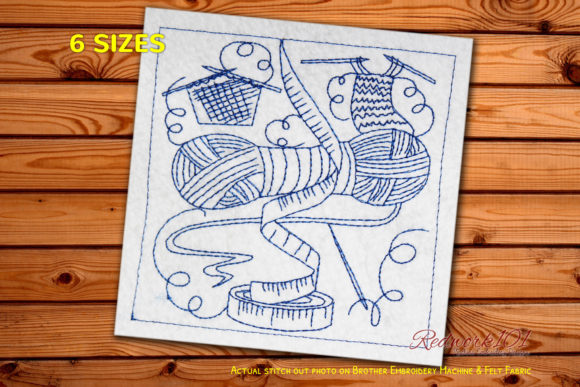
As an experienced embroidery designer, I’m always on the lookout for digital embroidery files that bring personality and practicality to my handmade and commercial projects. When I first came across Sewing and Knitting Materials Redwork, I was intrigued by its vintage-inspired aesthetic and the promise of a clean, classic look. After testing it in several real-world applications—ranging from custom apparel to nursery decor—I wanted to share my honest take on whether this design is worth adding to your creative arsenal.
First Impressions: A Nostalgic Touch with Modern Versatility
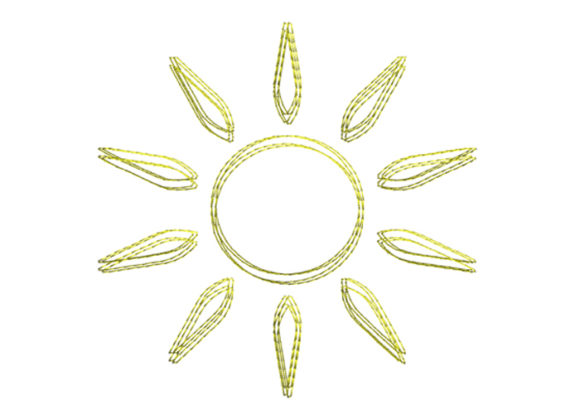
The Redwork theme immediately stands out for its simplicity and charm. It’s a traditional style that uses red thread (or any single color) against a white or light background, creating bold and eye-catching images. The designs included in Sewing and Knitting Materials Redwork are hand-drawn with a clear, crisp line quality that suggests they’ll stitch well even at smaller sizes. While the product description mentions an optional box stitch and notes about outer box colors, the core of the collection feels cohesive and purposeful. There’s a strong sense of intention behind each pattern, making them feel like authentic design assets rather than generic templates.
Stitching Personality and Decorative Appeal
What sets these designs apart is their decorative yet subtle stitching character. They don’t scream for attention but instead invite a closer look. This makes them ideal for projects where you want to add a personal touch without overwhelming the fabric or garment. The use of satin stitches, running stitches, and fill stitches is balanced and thoughtful, allowing for easy customization depending on your project needs.
Real Project Performance: From Tote Bags to Sweatshirts
I tested Sewing and Knitting Materials Redwork on a variety of materials and substrates to see how well it adapts to different uses. Here’s what I found:
- Tote Bag Design: The bold lines of the Redwork theme stitched beautifully on cotton canvas. The contrast between red thread and white fabric gave the bag a timeless appeal, perfect for both personal use and Etsy listings.
- Sweatshirt Embroidery: On medium-weight fleece, the design maintained clarity when using a proper stabilizer. The stitch density was just right—not too thick, not too sparse—so it didn’t pill after washing.
- Baby Items & Nursery Decor: The softness of the red thread made the designs appear gentle and warm, which is exactly what you want for baby blankets or pillow covers. I used a light stabilizer and saw no distortion after multiple washes.
- Embroidered Patch: The designs translated well into patch form. Using a combination of satin and running stitches helped maintain detail while keeping the patch lightweight and wearable.
- Kitchen Towels & Aprons: These are high-use items, so durability matters. The stitch work held up nicely through repeated laundering, especially when backed with tear-away stabilizer and stitched with all-purpose polyester threads.
- Caps & Curved Surfaces: I experimented with a curved cap surface and found that the design needed slight resizing and seam alignment. With careful placement, it looked great and added a unique flair to the finished product.
Small Hoop Sizes and Tiny Lettering
One standout feature of Sewing and Knitting Materials Redwork is its adaptability to small hoop sizes. Many of the patterns include lettering or intricate details that can be scaled down effectively without losing legibility or charm. That said, if your project requires very tiny text, I recommend doing a test run on scrap fabric before finalizing the layout. The line thickness and spacing are generally generous, but they can become delicate when over-sized reduction.
Design Details and Practical Considerations
Before jumping into production, there are a few practical considerations I took into account when working with Sewing and Knitting Materials Redwork:
- Thread Color Contrast: Since the design relies heavily on a single-color thread, I made sure to choose a shade that would stand out clearly against the fabric. Lighter fabrics like muslin or white cotton worked best, though some designs also looked striking on pastel backgrounds.
- Stabilizer Use: For stretchy or textured materials, using a cut-away or tear-away stabilizer beneath the design made a noticeable difference in preventing puckering and maintaining shape.
- Layered Details: Some designs include layered elements or borders that can enhance visual interest. These worked particularly well when paired with applique techniques or additional embellishments like beads or sequins.
- Dark Fabric Compatibility: While the design is intended for light-colored substrates, I did try one on navy blue felt. The results were good, but the contrast wasn’t as dramatic. If you plan to use it on darker materials, consider using a contrasting thread color or experimenting with mockups before finalizing.
Commercial Use and Licensing
For those planning to sell finished products, I double-checked the licensing terms on the Creative Fabrica product page. It’s crucial to confirm whether the design allows for commercial use, especially if you’re producing items for sale. As always, read the fine print carefully and ensure you’re compliant with any restrictions before listing your products online or at craft fairs.
Impact on Product Value and Branding
Adding Sewing and Knitting Materials Redwork to a handmade product elevates its perceived value. The vintage-style motifs have a nostalgic, artisanal feel that appeals to a wide audience—from Etsy shoppers to boutique owners. Whether it’s a personalized gift or part of a seasonal collection, the design adds a level of sophistication that makes your items more desirable.
In terms of brand consistency, the uniform style across the design set makes it easy to create a themed collection. For example, using the same Redwork motif across tote bags, sweatshirts, and aprons gives your shop a cohesive look that customers will recognize and appreciate.
Photography and Presentation Tips
When photographing the finished product, lighting plays a big role. The red thread tends to pop under natural daylight, but artificial lighting can sometimes mute the vibrancy. I recommend taking photos in a well-lit room or outdoors during golden hour for the most appealing presentation. Also, using printable mockups from Creative Fabrica helps showcase the design on various surfaces without needing physical samples.
Final Thoughts for Embroidery Designers and Craft Entrepreneurs
Overall, Sewing and Knitting Materials Redwork is a solid addition to any embroidery designer's library. Its blend of historical inspiration and modern usability makes it suitable for both hobbyists and professionals. I’ve used it successfully in several handmade gifts and commercial orders, and it consistently delivers a polished finish.
If you're looking to expand your range of machine embroidery designs, especially for casual wear, home décor, or personalized items, this collection is definitely worth exploring. Just remember to test on scrap fabric, review stitch density and file specifics, and always check the licensing information before selling your finished goods.
Whether you're crafting for fun or building a handmade business, Sewing and Knitting Materials Redwork offers a fresh perspective on classic embroidery styles. It’s versatile enough to suit many projects and detailed enough to make a lasting impression.